



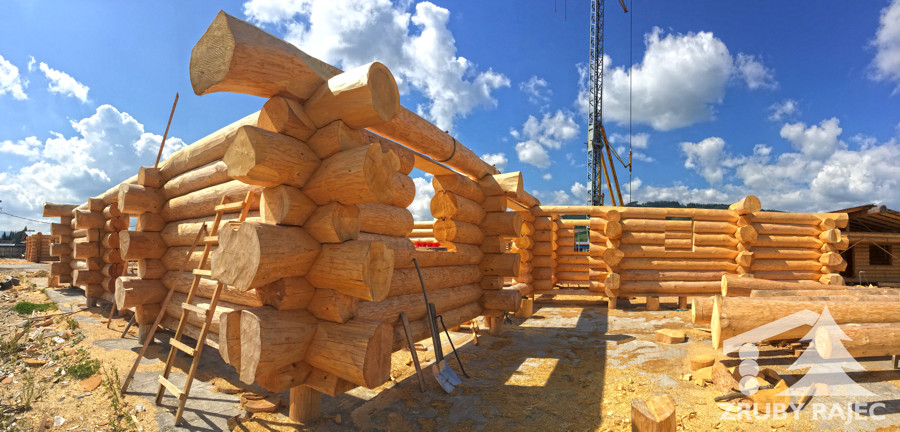
Our company has extensive experience in timber extraction and processing, which we utilize through a unique technology for manufacturing Canadian log homes. We acquired this know-how directly from Canada and have been adapting it to our conditions and building standards in Central Europe for the past 30 years. Our wood processing is clean and precise, with a quality level comparable to prestigious Canadian companies specializing in log home construction.
Quality Control and Manufacturing Technology
The foundation for a high-quality building is high-quality materials. The wood we use is sourced from the high-altitude regions of the Small and Greater Fatra Mountains, harvested from mature adult trees in non-calamity stands at an altitude of at least 600 meters above sea level. This type of wood grows densely, with 5-7 annual rings per centimeter. It possesses characteristics similar to resonance wood, which is used for crafting musical instruments. Such wood has a significantly lower thermal conductivity coefficient, resulting in log structures with excellent thermal insulation properties. Subsequently, suitable logs are selected at the log yard, based on forestry standards, at the delivery location.
The selected logs are transported to our handling yard, where they undergo another visual inspection. Only pieces that meet the strictest quality criteria are chosen for log home construction, typically accounting for 50% of the wood material obtained from the logging site.
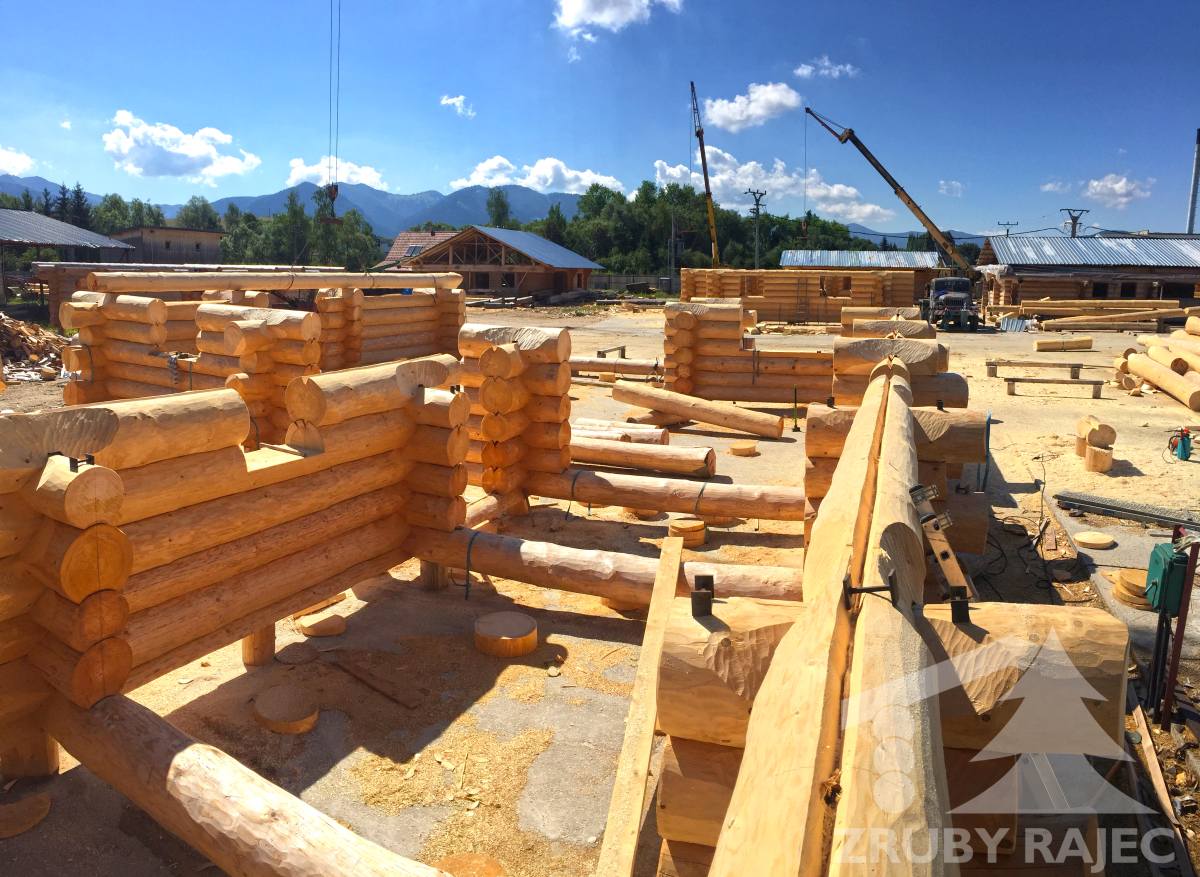
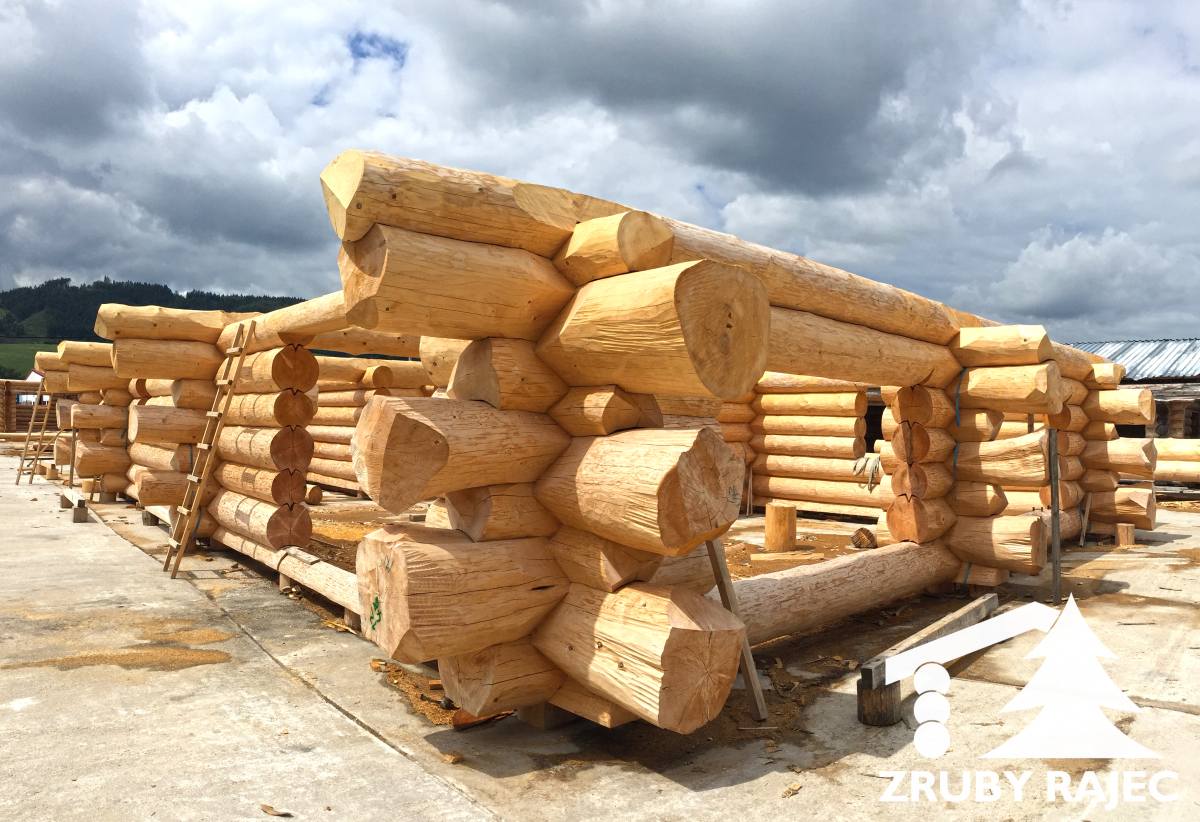
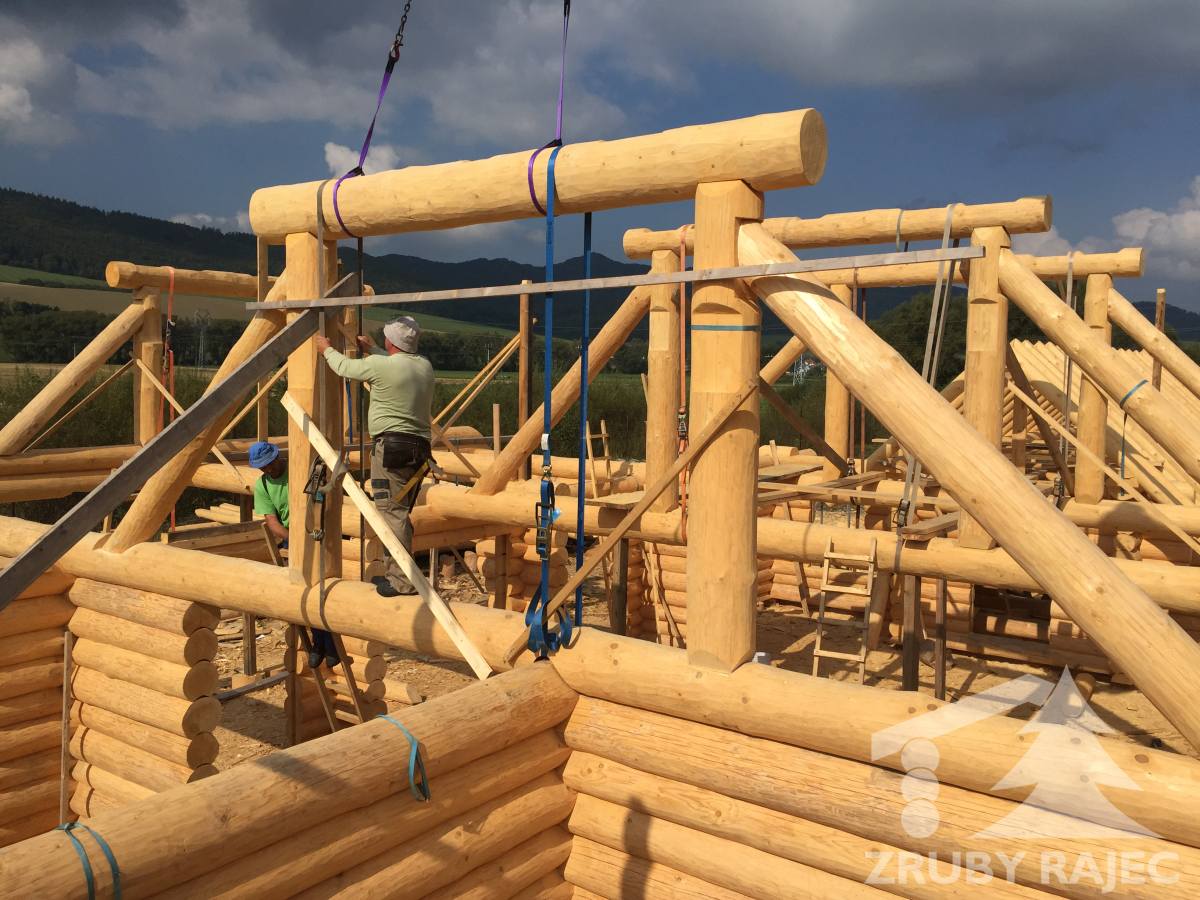
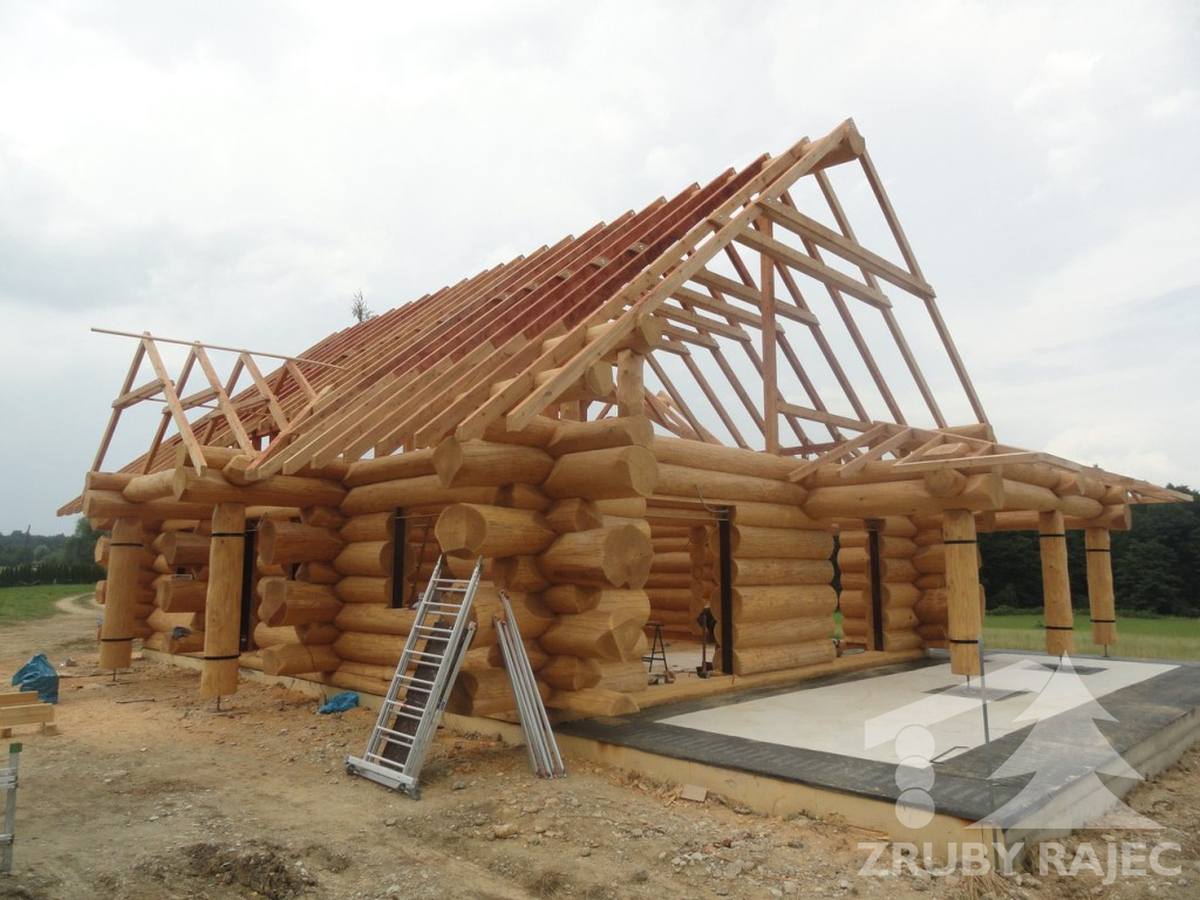
https://www.loghomes.sk/wooden-house-production#sigProId293bb261cc
The logs selected for construction are immediately treated with an impregnation spray to protect against pests, and the entire handling yard is equipped with pheromone traps. The logs used for log homes have a mid-diameter ranging from 270-500 mm, depending on the specific purpose of the building and the climatic conditions of the construction site.
A diameter of 300 mm is typically recommended, conforming to the European norm for thermal loss. The thermal resistance of other construction components such as windows, doors, floors, ceilings, and roofs is designed to meet the current European standards for energy efficiency.
Log Production Process
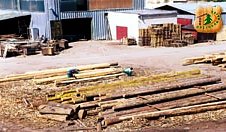 1.The logs chosen for construction undergo traditional debarking and marking, allowing the wood to retain its natural curvature and appearance. The outer growth rings on the log's surface, which constitute the densest layer of wood, are preserved. This ensures strength, stability, and long lifespan.
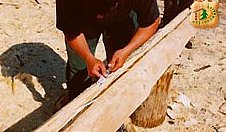 2. Each manually peeled log is also hand-milled to create a groove, which is then cleaned with a chisel. Each log is numbered according to its placement order.
3. The first layer of logs is cut lengthwise to align smoothly with the base timber, which is separated from the foundation by a waterproofing membrane. The upper surface of the base timber is covered with thermal insulation, which is then pressed against the cut side of the first row of logs.
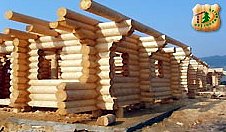 4. Subsequent rows of logs are stacked on top of each other, with thermal insulation material inserted in the settling area between each row. Mineral wool, sheep's wool, or felt strips are commonly used for insulation, eliminating any gaps.
On-site Assembly Process
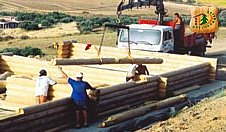 1. Numbered logs are unloaded from the transport vehicle and arranged in the same order on the company's assembly site. The first cut log is placed on the insulated base timber.
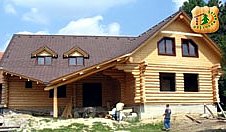 2. The surface of the walls of the solid structure is sanded and cleaned of dust. It is then treated with preventive spraying to protect against pests. After drying, the first coat of foundation oil is applied. Finally, one layer of glaze paint is applied for interior surfaces, and two layers for exterior surfaces. All coatings we use are eco-friendly and based on natural oil.
